
EV service in Al Quoz
Electric Car Repair in Dubai
A charging fault, battery warning or loss of power needs an answer that fits your electric car. Contact My Car Repair Dubai for EV repair and servicing, including electrical faults, brakes, suspension and AC work. Send your model and the warning message to discuss the repair and arrange an appointment.
Make, model and year · Warning message if available
Budget for the actual job
Electric car repair costs in Dubai
A battery check and a battery replacement are different purchases. These published UAE examples show the cost of specific work. They are market references, not fixed My Car Repair prices or a range that applies to every EV.
| Work and vehicle | Published price | What the figure covers |
|---|---|---|
| EV condition inspectionCaartl market example | AED 502.95 | An inspection package with battery-health information, advertised at AED 479 plus VAT. This is an inspection price, not a battery repair or replacement price. |
| Battery or charging investigationPorsche Taycan example | AED 525–1,050 | Agreed extended testing. Battery removal, internal pack work and replacement parts are separate. |
| Cooling-system repairPorsche Taycan example | AED 1,500–7,500 | A defined pump, valve or hose repair with relevant coolant and completion checks. Additional faults and internal battery work are separate. |
| Lithium 12V battery replacementPorsche Taycan example | AED 7,800–10,800 | The compatible auxiliary battery, routine fitting, setup allowance and low-voltage checks. This is not the traction battery or a price for a conventional lead-acid battery. |
The Taycan rows are PorscheGarage planning estimates. Tesla, BYD and other EVs use different components and need their own quotation. For your car, agree the testing charge first, then compare the repair total with parts, labour, required setup and VAT identified.
Price references
Caartl EV inspection booking and PorscheGarage Taycan repair estimates. Offers and part availability can change; these references explain the figures above.
Work matched to your electric car
For planned servicing, bring the maintenance history. For a fault, tell us whether the car drives and charges, and when the problem appears.
High-voltage battery, charging and drive-unit work depends on the exact vehicle and repair required. Share your make, model and year before booking so the available work, parts and testing can be established for your car.
Battery repair or replacement
Gradual battery degradation can reduce range; a sudden warning or loss of drive may have a different cause. A warning does not mean every cell has failed. The condition of the cells, enclosure and cooling system helps determine whether a targeted repair is sensible or a complete replacement is needed.
- Repair a serviceable component
Some pack designs allow particular contactors, control components, seals or other specified parts to be replaced. Contactors connect and disconnect high-voltage power. The battery management system, or BMS, monitors the pack and controls protective functions.
A BMS warning is a reason to investigate. It is not automatic proof that the controller or every battery cell needs replacing.
- Assess cell or module work
This is an option only where a supported repair method and compatible parts exist. The condition of the remaining battery matters as much as the failed section. Replacing a module does not make an aged pack new, and balancing cannot repair damaged cells.
- Replace the complete pack
Replacement may be needed for extensive damage or deterioration, or when a suitable internal repair is unavailable. The assembly must match the vehicle’s part specification, electrical configuration and cooling requirements. Required fitting materials, setup and final checks belong in the replacement quote.
Choosing a replacement battery
New, remanufactured and used packs are different buying decisions. Compare the condition and fitted work alongside the purchase price.
| Battery option | What to compare |
|---|---|
| New replacement pack | The exact compatible assembly, supply lead time and applicable warranty. Identify whether removal, fitting and required setup are included. |
| Remanufactured or reconditioned | Who rebuilt it, what was replaced and tested, the condition or capacity information supplied, and the warranty. These descriptions do not mean every cell is new. |
| Used replacement pack | The donor history, age, evidence of condition and supplier warranty. Compatibility alone does not establish battery condition or make a lower-priced pack the right choice. |
Availability varies by vehicle. Ask whether an exchange price requires return of the old pack and whether transport, fitting materials and tax are included.
Check remaining manufacturer cover before authorising paid internal work. Accident damage, water exposure and gradual capacity loss can be treated differently from a covered manufacturing fault.
Know what the battery test measures
State of charge (SoC) is the charge level now. State of health (SoH) describes the battery’s condition relative to its original capability. A dashboard range estimate or ordinary scan is not a complete battery-capacity test.
| Check | Useful result | Important limit |
|---|---|---|
| Scan and live data | Recorded battery, charging and thermal warnings, plus relevant readings the vehicle makes available. | Helps investigate a complaint. It does not certify usable capacity or the remaining life of every cell. |
| Battery-condition assessment | Available BMS state-of-health information and relevant cell-voltage or temperature differences. | Access varies by model. A reported SoH percentage can be a calculated estimate. |
| Supported capacity test | A result produced using the energy-retention test available for that vehicle. | May need a controlled charge/discharge cycle and more time than a scan. Some vehicles or active faults prevent testing. |
For a used EV, establish which check the inspection includes. The result should identify the vehicle, method, findings and limitations. A current health result cannot guarantee future battery life or replace physical-damage and charging checks.
Isolation faults are a separate concern
Electrical isolation keeps high-voltage power separated from the vehicle body. A low-isolation warning may involve the pack, cables or another high-voltage component. Professional testing locates the fault; a capacity test or software reset is not a substitute.
When charging keeps failing
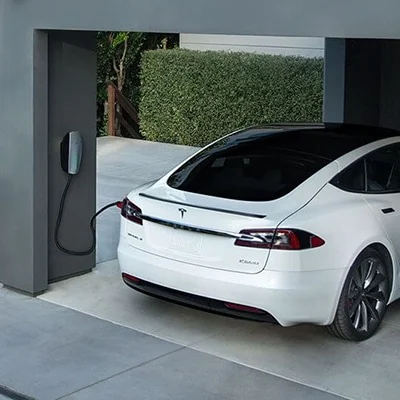
The charging point, cable, car inlet, onboard charger and controls perform different jobs. A scheduled start or a reached charge limit can also explain why a plugged-in car is not charging. Check the message and settings shown by your vehicle, then tell us what happens at the charger. A failed session alone does not establish that the traction battery needs replacement.
- It happens at one location
- The equipment or electrical supply may need attention. Building wiring belongs with a qualified electrician or the charging provider.
- AC works, but DC fails
- The reverse is useful information too. Different charging paths are involved; share the charger type and exact warning.
- The connector sticks or will not latch
- The inlet, latch or charging equipment may need assessment. Do not force the connector or retry against the vehicle’s warning.
- Charging has become slower
- Temperature, charge level and the charging point can affect speed. Persistent warnings or a marked change under comparable conditions deserve attention.
Ports, latches and cables
The charge-port door, latch and inlet are separate components. A damaged latch may allow a targeted repair; damage to terminals or attached wiring can require a larger assembly. Portable cables and home charging equipment are separate from the parts fitted to the car.
The onboard charger
During AC charging, the onboard charger converts incoming alternating current into direct current for the battery. DC fast charging supplies direct current through a different charging path. This is why a fault on AC but not DC, or the reverse, helps narrow the investigation. Some cars combine charging and low-voltage electronics in one assembly, changing the replacement cost. A relevant charging check should follow the repair. A new port does not automatically increase speed or change charging-standard compatibility.
Motor, inverter and drive-unit work
An electric drive unit can combine the motor, reduction gearing and power electronics. Noise or a power warning does not identify which part needs replacement.
Separate electrical and mechanical faults
The inverter controls power supplied to the motor. An inverter or connection fault needs a different repair from a leaking seal, worn bearing or damaged reduction gearing. Tyres, wheel bearings, shafts and mounts can also produce complaints that seem to come from the drive unit.
Some applications have component repair parts; others require an assembly replacement. The quote should name the component or complete unit being supplied so the choices are comparable.
Low-voltage battery replacement
An EV can have charge in its main pack and still fail to wake up because the low-voltage supply cannot support its controls. Depending on the model, the auxiliary battery may be lead-acid or lithium-ion, with different specifications and replacement procedures.
The DC-DC converter supplies low-voltage power from the high-voltage system. Repeated auxiliary-battery failure may need checks of that supply, connections or electrical demand as well as the battery. Match the replacement to the car and include any required setup after fitting.
AC, heat pumps and battery cooling
An EV’s air conditioning can form part of a wider thermal-management system. Depending on the design, the compressor and refrigerant circuit work with coolant pumps, valves and a chiller to control battery temperature as well as cabin comfort.
Different complaints need different repairs
Weak airflow may call for filter or blower attention. Warm air, coolant loss, thermal warnings or restricted charging need assessment of the relevant circuit. Adding refrigerant alone will not repair a leaking pipe, failed pump, valve or compressor.
Vehicle-specific fluids and checks
Heat-pump equipment adds further model differences. Refrigerant, lubricant, coolant and handling procedures must suit the vehicle. Leak checks, correct filling and operating checks matter after a component replacement. Mention battery-temperature or charging warnings when booking EV AC repair.
Brakes, tyres and everyday care
An electric car still needs attention to brakes, tyres, suspension and cabin systems. Follow its maintenance schedule and respond to changes in how it drives; a combustion-engine service package is not the right checklist for a battery-electric car.
Friction brakes still need attention
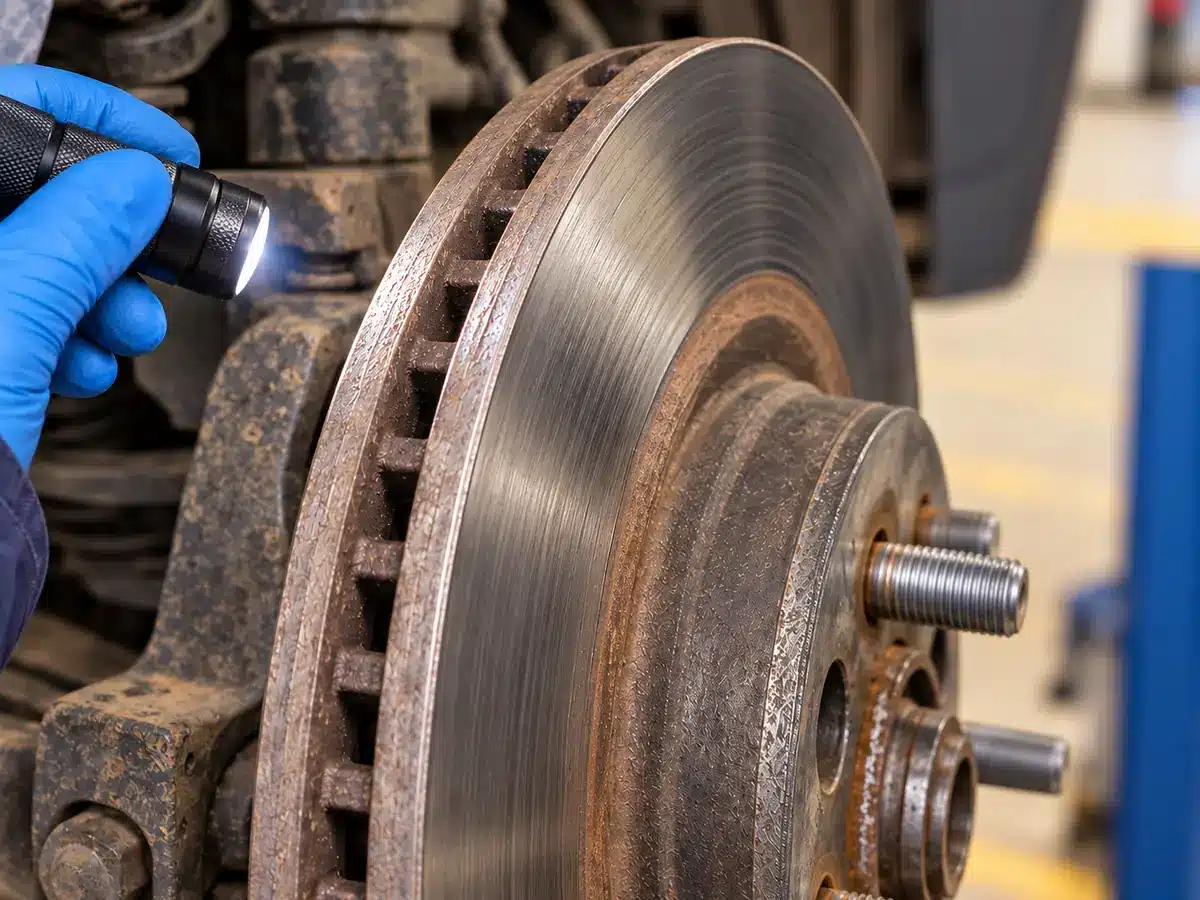
Pads, discs, calipers and brake fluid remain part of the car. Regenerative braking may be limited when the battery is cold or nearly full, depending on the model. That is different from a persistent brake warning or an unusual pedal. Follow the vehicle handbook, use the brake pedal as needed and arrange an inspection for noise, pulling or a change in braking performance. Our brake repair service explains when pads alone may be enough and when discs need attention too.
Tyres, alignment and suspension
Tyres need the correct size and ratings, while rotation depends on the tyre arrangement. Uneven wear or pulling can involve suspension condition as well as alignment. Address worn parts before relying on an alignment to correct the handling.
Battery-electric cars do not need engine oil, spark plugs or fuel-system servicing. Brake fluid, coolant, reduction-gear lubricant and filters follow the particular vehicle’s requirements. Hybrids and plug-in hybrids also have an engine and need a different service plan.
Parts and software for your model
Model year, battery version and original market can change the charging, battery and drive components. Even a Tesla Model 3 can use different low-voltage battery types across its production years. The badge alone is not enough to identify a replacement.
Mention an imported vehicle, earlier battery or drive-unit replacement, and charging-port modifications. Software configuration or an update may be relevant to a repair, but it cannot fix a damaged cell, bearing or connection. Parts and service-function access need to match the job.
Timing and collection
A short scan, controlled battery test and internal repair require different amounts of time. Parts supply, preparation, fitting and final checks affect the collection date. Diagnosis time is not a promise that a battery replacement will finish in the same visit.
At handover, ask for the completed-work description, fitted parts, relevant test results and warranty terms. Keep these with your service history and follow the charging and maintenance guidance for your exact model.
Call before moving a car that will not enter drive, displays a stop warning or cannot charge. Explain its location and access restrictions. Transport must follow the exact model’s instructions; putting the car in Neutral does not establish that it can be towed with its wheels on the road. For a driveable car, ask about pickup and drop-off when booking.
Questions before booking
What should I send with an EV repair enquiry?
Your make, model and year, the exact warning and whether the car drives and charges are a useful starting point. Include an existing scan report or repair invoice if available. You do not need to identify the failed part before contacting us.
Can a replacement battery guarantee the original range?
No fixed distance should be promised from the pack price alone. Replacement capacity and condition matter, while driving conditions, tyres, temperature and energy use also affect range. Compare the supplied pack and its test information, not only the dashboard estimate.
Can you work on a hybrid too?
Tell us whether it is a conventional hybrid or a plug-in hybrid, with the make, model and year. Its combustion engine and electric-drive components need different services. The appointment must cover the work available for that powertrain.
What if the warning returns after a repair?
Contact the workshop with the message and the conditions when it appeared. Keep the invoice and any test results available. Follow the vehicle’s stop or charging instructions rather than clearing the warning or continuing to test the car yourself.
Speak to our team
Arrange your EV repair
Send your model and a short description of the fault or service needed. We’ll discuss the work, the appointment and getting the car to our Al Quoz workshop.
39, Al Quoz 4, Dubai