If your car starts then dies, the engine fires but cannot keep running. It may be losing fuel delivery, usable airflow, an engine-position signal, electrical supply or permission to run from the security system. The timing of the stall and the warning messages help narrow the checks. They do not identify a failed part by themselves.
Do not drive a car that repeatedly stalls or needs the accelerator held down to stay running. Sudden loss of engine power can affect your control of the vehicle. This guide explains the useful observations, the checks a workshop can make and what to ask before approving a repair.
Confirm what happens between starting and stopping
First distinguish an engine that actually starts from one that only turns over on the starter motor. If it never fires, that is a cranking-but-not-starting complaint. If nothing turns and you hear a click, that is a different starting problem. A start-and-stall complaint means combustion begins and then stops.
Record how the engine stops. A clean, abrupt cut is different from several seconds of rough running and shaking. Note whether it happens only on the first cold start, after a warm stop, after refuelling or following recent work. Do not repeatedly reproduce the fault just to make a longer video.
For a hybrid, an engine switching off while the vehicle remains in its normal drive-ready state may be part of ordinary operation. Check the ready indicator and handbook. A fully electric car does not have a combustion engine that can stall, so it needs a different assessment of its power-on or drive-ready fault.
| Pattern | Useful investigation | Avoid assuming |
|---|---|---|
| Starts briefly, then cuts off cleanly | Start authorisation, power supply and engine-control signals | That the key is definitely faulty |
| Shakes or sputters before stopping | Fuel delivery, air mixture and combustion | That every ignition component needs replacement |
| Stops as it returns to idle | Idle control, intake leaks and relevant loads | That keeping the revs up is a repair |
| Started after refuelling or recent work | The specific event and systems disturbed | That the timing alone proves the cause |
Know when to stop further starting attempts
Stop trying to start the engine if there is a strong fuel smell, visible fuel leakage, smoke, severe knocking or suspected wrong fuel. Keep away from ignition sources and arrange assistance. Do not run the engine in an enclosed garage to investigate a stall.
If the engine stalls in traffic, focus on steering and reaching a safe stopping place. Braking or steering may need more effort if assistance is reduced. Use hazard lights when safe and follow the vehicle’s emergency instructions. Do not switch off the ignition, select Park or select Reverse while moving.
Once parked safely, avoid long cranking sessions and repeated starts that immediately fail. Follow the handbook’s limits for starter operation. A car that restarts once may still have an intermittent fault, so a successful restart alone is not proof that it is ready for a journey.
Record whether warning lamps appeared before the stall or only after the engine stopped. On many combustion vehicles, an oil-pressure or charging lamp can illuminate after the engine stops because it is no longer running. A warning that appeared while the engine was running needs to be reported separately.
Check fuel delivery without blaming the pump
Confirm the fuel level and mention recent refuelling, a very low tank or a long period parked. If the wrong fuel may have been added, stop starting attempts. Opening a fuel line or draining the tank is not a safe roadside diagnostic shortcut.
A fuel-delivery problem can involve the pump’s supply and control, a restriction, a pressure-control component or injectors. A car starting briefly does not prove that the pump can supply what the engine needs after startup. Equally, a pressure fault does not automatically prove the pump itself is defective.
Modern direct-injection petrol engines and common-rail diesels have fuel systems that require appropriate equipment and precautions. The technician may need to compare commanded and actual pressure during the event and assess the supply circuit before moving to high-pressure components.
Ask what measurement supports a pump or injector replacement and whether the related wiring and supply have been checked. A generic pressure value from another engine is not a valid specification for your car. Do not loosen high-pressure fittings or use starting spray to see whether the engine will continue running.
Investigate airflow and the idle control system
An intake leak, a displaced hose or an airflow-measurement problem can disrupt the mixture the engine needs. This becomes particularly relevant when the fault appears after air-filter, intake or engine work. A visible connection check can be useful, but the absence of an obvious gap does not exclude a leak.
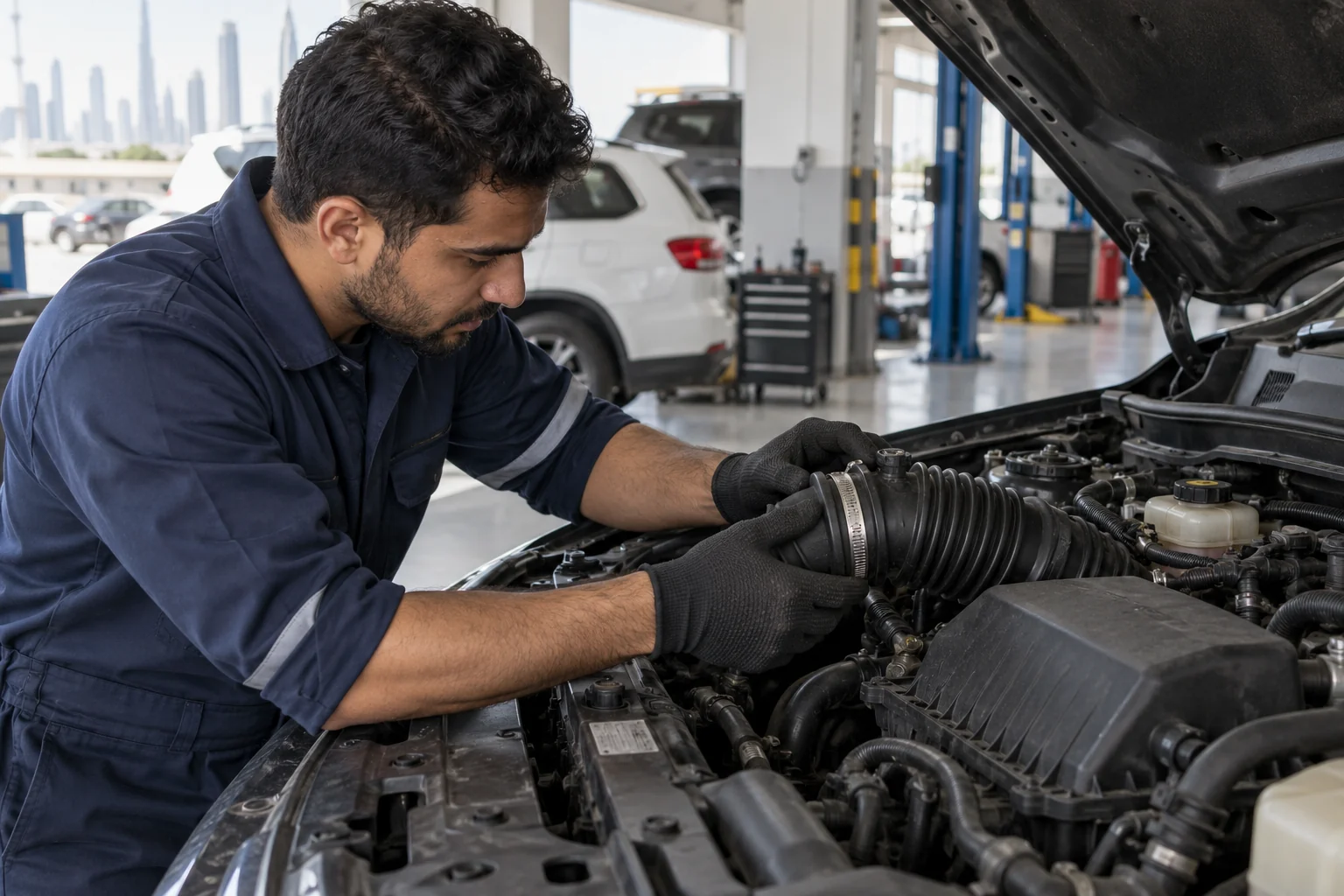
Some engines use a separate idle air control valve, often called an IAC valve. Many modern petrol engines manage idle through an electronic throttle instead. Before authorising an “idle valve replacement”, establish whether the vehicle actually has the part being proposed.
Deposits, a sticking component or an electrical problem can affect idle control. A stall when an additional load is applied, such as switching on the air conditioning, gives the technician useful context. It does not prove that the air-conditioning compressor or throttle body must be replaced.
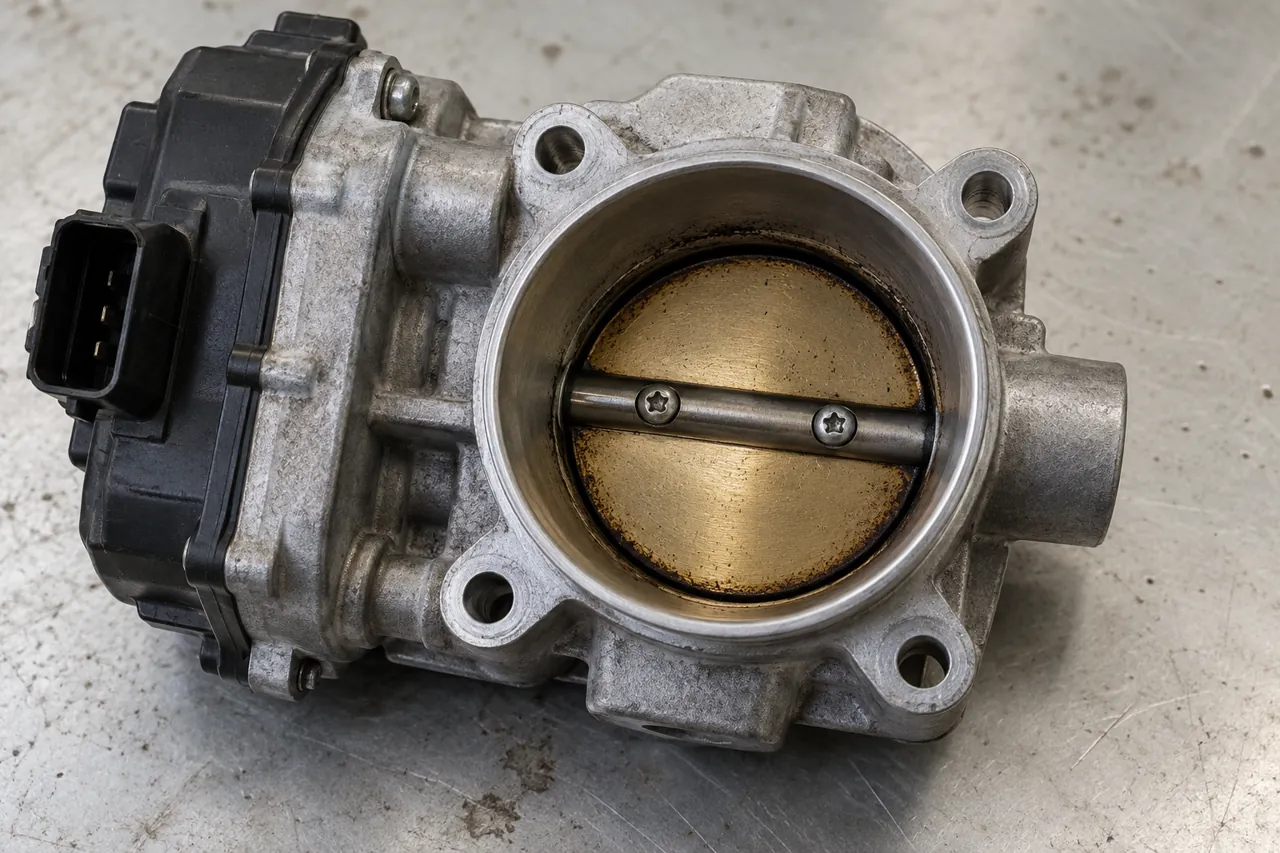
Cleaning may be appropriate when the inspection supports it and the manufacturer permits the method. It is not a universal cure for a start-and-stall complaint. For an electronic throttle, cleaning, replacement and adaptation can be different jobs. Do not force the plate or alter adjustment screws as a trial repair.
Assess ignition and engine signals with evidence
On a petrol engine, poor combustion can involve plugs, coils, their supply or other faults. Shaking and misfire information help guide testing. Diesel engines use a different combustion system, so a petrol spark-plug explanation should not be applied to a diesel start-and-stall complaint.
The crankshaft and camshaft signals help the control system determine engine position and timing. A signal or wiring fault can affect starting or continued running. Tell the workshop whether the failure is abrupt, temperature-related or accompanied by a stored warning.
A diagnostic code naming a sensor is a reason to investigate that circuit and operating condition. It is not a parts order. Connections, wiring, supply, the signal itself and related mechanical conditions may need assessment before the named sensor is replaced.
If the engine sounds mechanically abnormal or the complaint followed timing-system work, report that before further starts. Internal mechanical testing may be justified by the findings. It should not be the automatic first step for every car that runs briefly and stops.
Distinguish battery problems from lost electrical supply
A weak battery more commonly draws attention through slow cranking, clicking or trouble getting the engine to fire. An engine that starts normally and then stops needs a broader assessment. Battery condition, cable connections, grounds, charging and the supplies to control components can all matter.
The alternator supplies electrical power and charges the battery on conventional combustion vehicles. If charging fails, the engine may eventually stop as the available battery reserve falls. The timing depends on the condition and electrical demand. An immediate stall does not establish alternator failure.
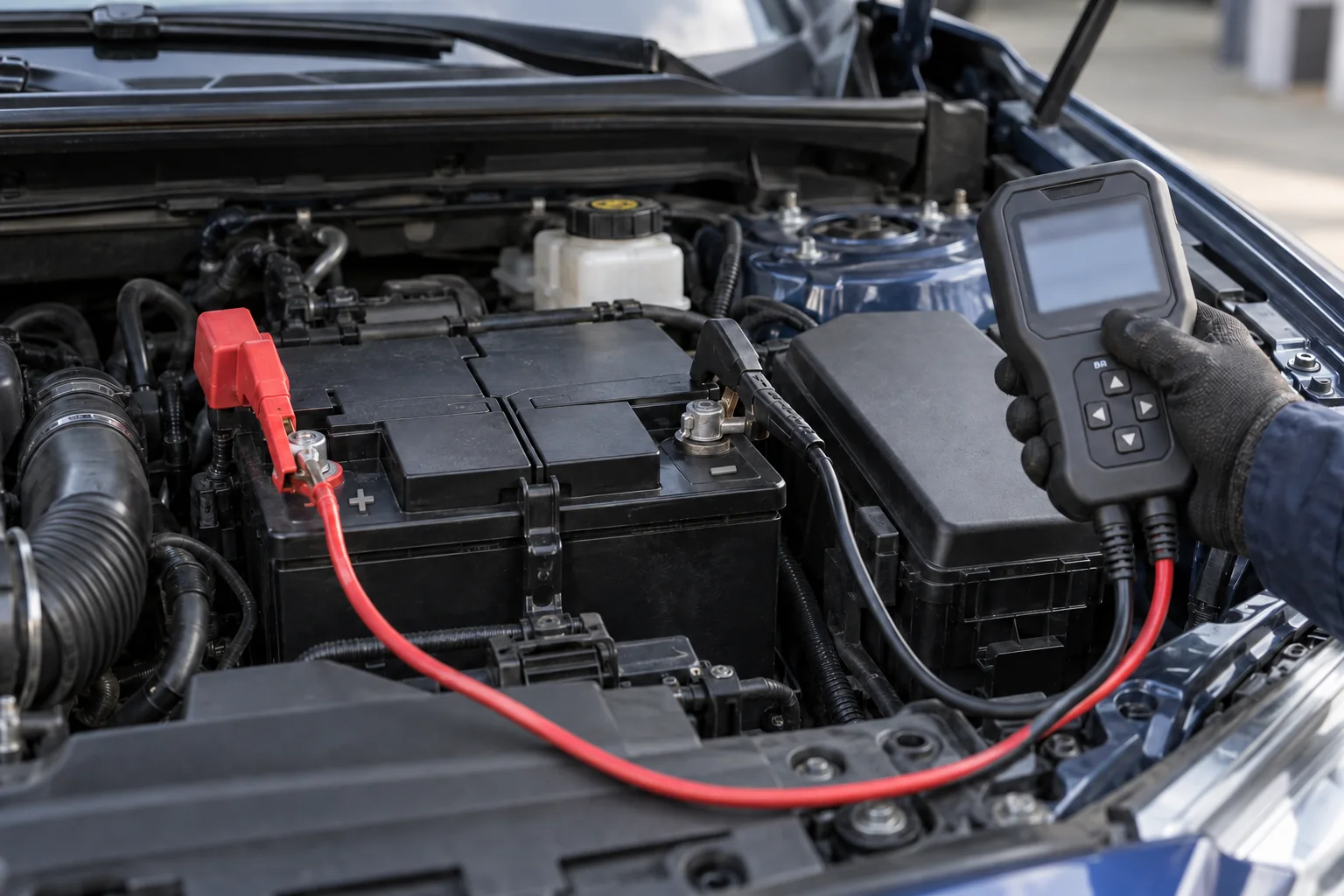
Tell the technician about a jump start, battery replacement or recently fitted electrical accessory. Testing should follow the vehicle’s charging design and specifications. A single voltage reading does not explain every supply fault, particularly with controlled charging systems.
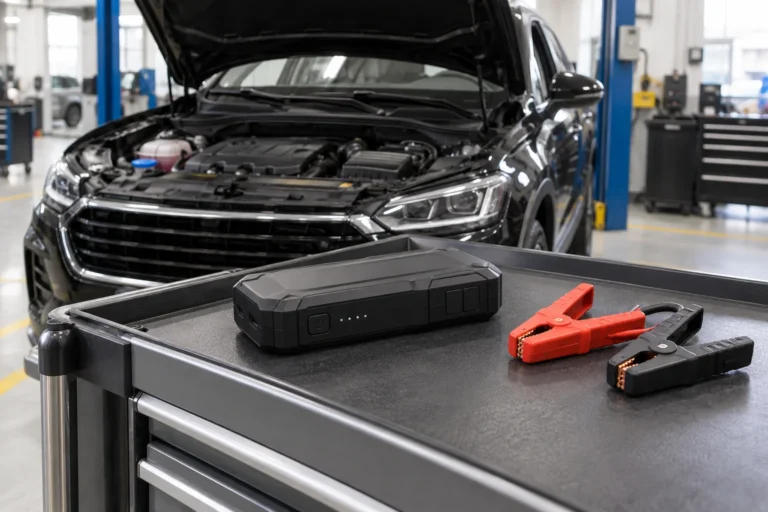
Do not disconnect a battery cable while the engine is running to test the alternator. That is not an appropriate diagnostic method and can harm electronic components. Jump-starting is also not a repair for an engine that repeatedly stalls after it has started.
Use security messages to guide the next check
The immobiliser checks whether starting is authorised. Depending on the vehicle, an authorisation problem can prevent starting or be relevant when the engine fires briefly and stops. Photograph the exact key or security message and mention whether the problem occurs with ordinary starting or only remote start.
If the handbook permits it and there is no safety reason to stop starting attempts, an existing registered spare key can provide useful information. A different result should be reported. It does not by itself establish which key, aerial, module or connection needs work.
A remote-key battery and the vehicle’s 12-volt battery do different jobs. Use the model’s prescribed backup key-reading position where applicable. Avoid improvised security resets, repeated key programming or disconnecting modules. Any programming work should match the confirmed fault and vehicle requirements.
Pay attention to refuelling and recent repairs
Stalling or difficult starting after refuelling
On a petrol vehicle, the evaporative emissions system manages fuel vapour. A purge-control problem can affect engine operation in some circumstances. A symptom that repeatedly follows refuelling makes this system worth assessing alongside fuel quality and other findings.
Ford has published a bulletin for specified older Escape, Fusion and Lincoln MKZ vehicles describing hard starting or loss of engine speed after refuelling associated with purge-valve work. It is a model-specific example, not proof that every refuelling-related stall needs a purge valve.
Stalling after battery or intake work
After a battery change, confirm what was disconnected and whether the required setup was completed. Some vehicles need idle or fuel-trim learning after power interruption. That possibility should not be used to dismiss a loose connection or a car that cannot run reliably.
After intake work, the inspection should include hoses, connectors and seals that were disturbed. HELLA documents a specific Transporter T6 example in which a damaged, misplaced or missing intake seal can contribute to poor cold running or a stall. The lesson is to review the actual work, rather than assume every post-service fault is coincidental.
Provide the previous invoice and describe when the symptom first appeared. Do not drive a stalling vehicle around to “let it relearn”. The workshop should use the applicable instructions and resolve conditions that make the vehicle unsafe.
Ask for a diagnosis that captures the stall
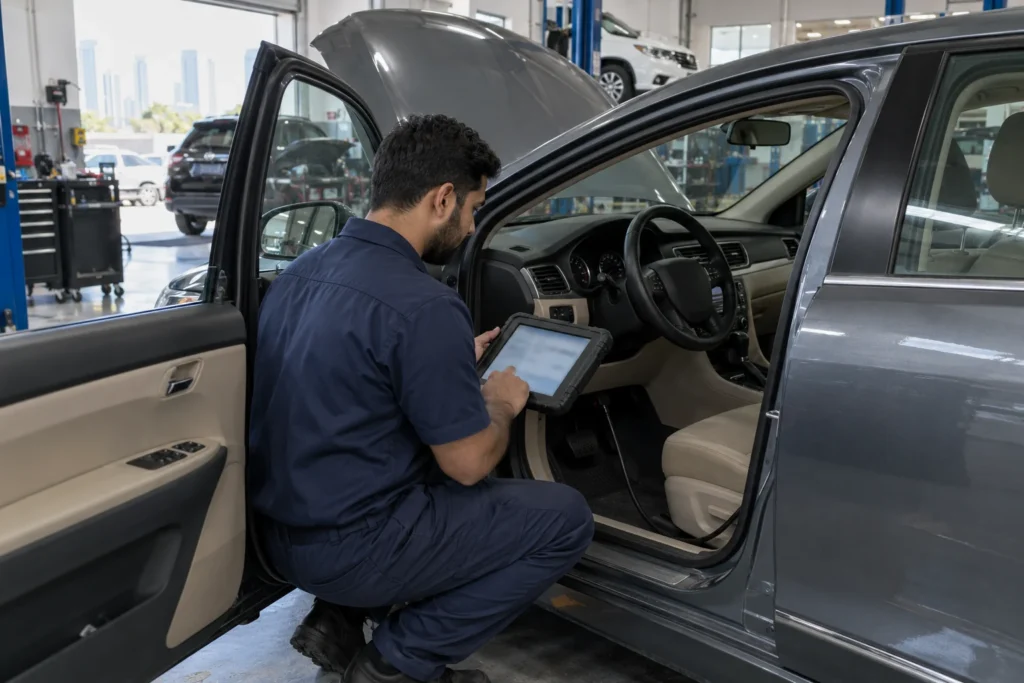
A useful diagnostic appointment connects the complaint with test results. The technician can read relevant fault memories, retain the operating information and decide which measurements to capture through startup and the stall. A basic engine-code reader may not access security or other modules.
- Fuel. Compare delivery and pressure behaviour with the engine’s requirements.
- Air and idle. Check intake integrity and the fitted control system.
- Signals. Assess engine-speed information and relevant wiring when the symptoms justify it.
- Electrical supply. Check battery condition, connections and charging where relevant.
- Authorisation. Read the appropriate security information if the key or starting messages point there.
Ask which finding supports the proposed work and what remains uncertain. If the fault did not occur during the appointment, that limitation should be recorded. A clean scan does not establish that an intermittent physical or electrical problem is absent.
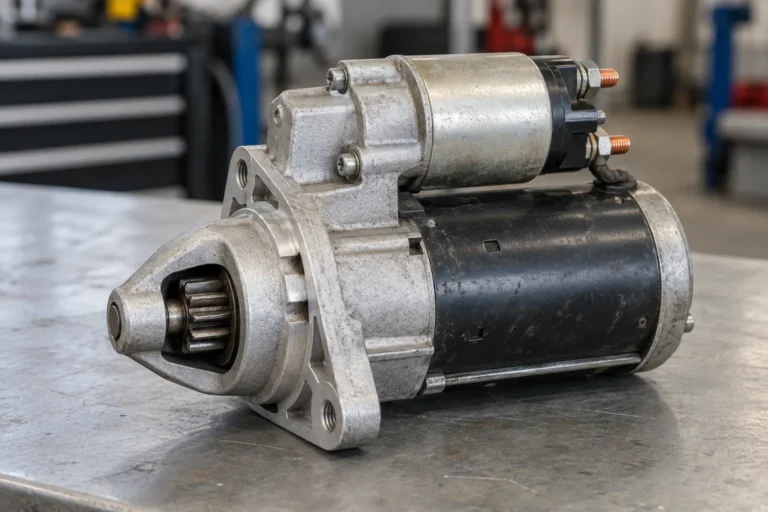
For booking, the diagnostic inspection service is the relevant destination. If the engine never fires and the concern is cranking, the guide to starter motor repair options addresses that separate issue. A starter should not be replaced merely because a running engine stalls.
Compare the estimate and confirm the repair
Agree the initial diagnostic allowance before testing begins. The total then depends on the confirmed fault, access, the parts chosen and any required setup. Ask for an itemised amount including labour and VAT, with further work approved separately.
A connection repair or an appropriate cleaning procedure may be enough when testing supports it. A fuel-system repair, sensor replacement and security programming have different requirements. Compare like-for-like scope and ask whether final checks, adaptation and written warranty terms are included.
At collection, ask how the original starting condition was checked. A cold-start complaint should not be judged only from a warm restart. A refuelling-related complaint or an intermittent cut-out needs an appropriate verification plan rather than a promise that one successful idle proves every situation.
Follow the maintenance schedule for the actual engine, including applicable filters and petrol ignition items. Do not replace sensors or install software as routine prevention without a relevant requirement. Keep repair records and report a returning symptom with its conditions and messages.
Questions about a car that starts then stalls
Can I drive if the second start works?
A successful second start does not explain the first stall. If the fault repeats, the engine cannot idle reliably or a serious warning is present, keep the car parked and arrange assessment. Do not test reliability in traffic.
Does keeping my foot on the accelerator identify the fault?
No. A change with throttle is useful information for idle, airflow and other checks, but it does not identify a failed valve or prove the car is safe. Do not use raised engine speed as a way to continue driving.
Is the alternator always responsible after a jump start?
No. Battery condition, charging, connections and unrelated engine faults can all need checking. Describe the starting and stopping sequence and let testing establish the cause rather than ordering an alternator from the symptom alone.
Why does the engine stall after refuelling?
Record whether it happens consistently, whether the correct fuel was used and any warning information. Petrol vapour-purge faults are one possibility on applicable vehicles. Fuel and engine-control checks still need to establish the cause.
Can the problem happen without a check-engine light?
Yes. The absence of a warning does not exclude a fault. Relevant stored information, physical inspection and measurements during the event can still be useful. Record messages before clearing anything.
Should I disconnect the battery to reset the car?
No. A reset does not repair the cause and can remove useful information or create setup requirements. Preserve the evidence and use the manufacturer’s procedure if a confirmed repair requires a reset or adaptation.
Technical references for the systems being checked
HELLA explains idle-control operation and fuel-system diagnosis and precautions. These show why the fitted system and measured results matter. Use your vehicle’s handbook for starting instructions and safety limits.
Share the starting pattern before booking
Tell My Car Repair your model, year, fuel type, warning messages and when the engine stops. Mention recent refuelling or repairs so the team can discuss the diagnostic appointment and transport if the car cannot run safely.