A small car dent suitable for paintless dent repair is estimated at AED 200–500 including VAT at My Car Repair Dubai. A repairable door or fender that needs conventional dent repair and repainting is estimated at AED 500–1,500 including VAT per panel. The condition of the paint, shape of the dent and access behind the panel decide which estimate applies.
These are the workshop’s published dent-service estimates, checked on 5 October 2026. They are planning ranges rather than a fixed price for every car or a Dubai-wide average. A small mark near a reinforced edge can require more work than a larger shallow dent in an accessible area.
Use this guide to understand what you are paying for, prepare useful photos and compare quotes for the same repair. The lowest starting price tells you little unless the method, included work and expected finish are clear.
Estimate dent repair costs before comparing quotes
Start with the likely repair method and the charging unit. A price per dent, a combined price for several dings and a price per repainted panel describe different jobs.
| Damage and repair scope | Estimated price including 5% VAT | How it is charged |
|---|---|---|
| One small dent suitable for PDR | AED 200–500 | Per dent, with sound paint and straightforward access |
| One medium dent suitable for PDR | AED 350–800 | Per dent, subject to shape and access assessment |
| Three small parking dings on one panel | AED 450–900 | Combined PDR estimate for suitable dents with shared access |
| Conventional dent repair and repainting | AED 500–1,500 | Per typical repairable door or fender |
| Complex damage or several affected panels | Quote after assessment | One agreed scope covering the necessary repairs |
The ranges include the stated repair labour, normal materials, straightforward access and refitting, and 5% VAT. Extensive trim removal, specialist finishes, aluminium repairs, paint blending onto adjacent panels and replacement parts can cost extra. Ask for those items to be identified in the written quote.
The three-ding estimate is not a universal package for any three dents. It assumes suitable small dings on the same panel with uncomplicated access. Dents spread across a roof, bonnet and door require a different assessment.
There is also no reliable flat price for every bumper dent. Plastic covers, damaged mounts, cracked paint and equipment behind the bumper change the repair. A bumper replacement quote includes different work from reshaping an otherwise repairable cover.
Choose the repair method before comparing prices
Car denting services usually involve paintless dent repair, conventional panel repair with refinishing, or replacement where repair is unsuitable. The decision begins with the damage and the vehicle manufacturer’s requirements.
Paintless repair can preserve suitable existing paint
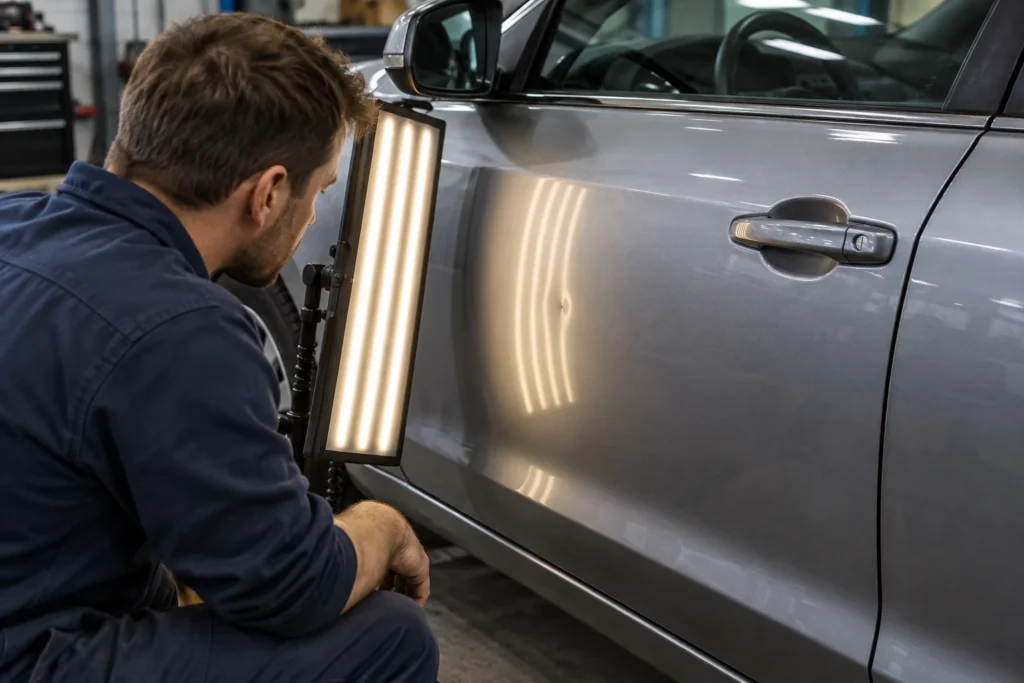
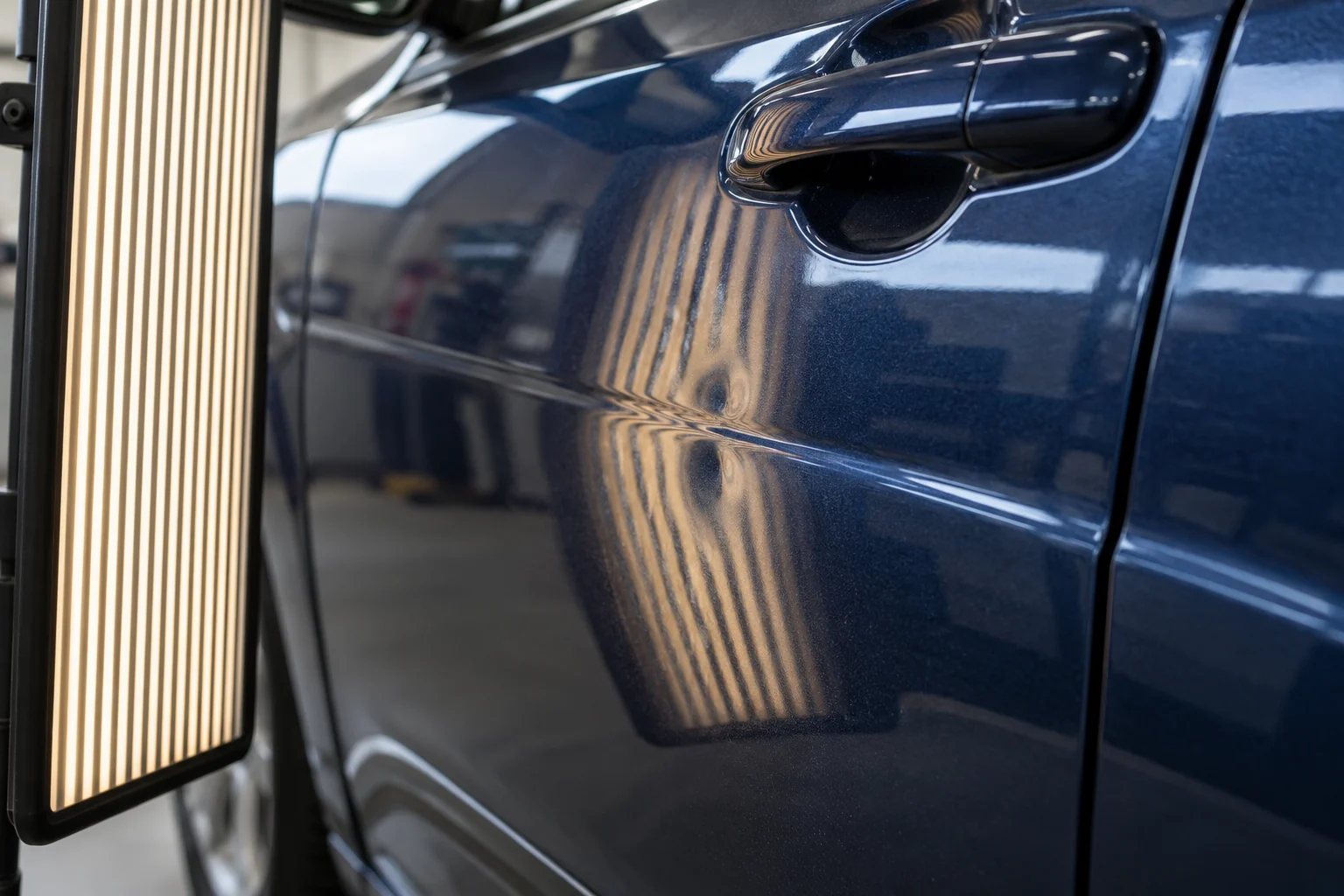
Paintless dent repair, usually shortened to PDR, reshapes the panel using specialist tools without repainting the outer surface. It can suit a shallow parking ding when the existing paint is sound and the technician has appropriate access.
It avoids the preparation and refinishing work needed for a painted repair. That is why suitable PDR often costs less. It does not mean every dent with apparently intact paint qualifies. A sharp crease, stretched metal, previous body repair or restricted access can change the recommendation.
Glue pulling works from the outside where appropriate, but paint adhesion matters. Tell the workshop about any respray or filler you know of. A repainted panel needs assessment before a pulling technique is chosen, because weakly bonded paint may lift.
Conventional repair includes shaping and paint preparation
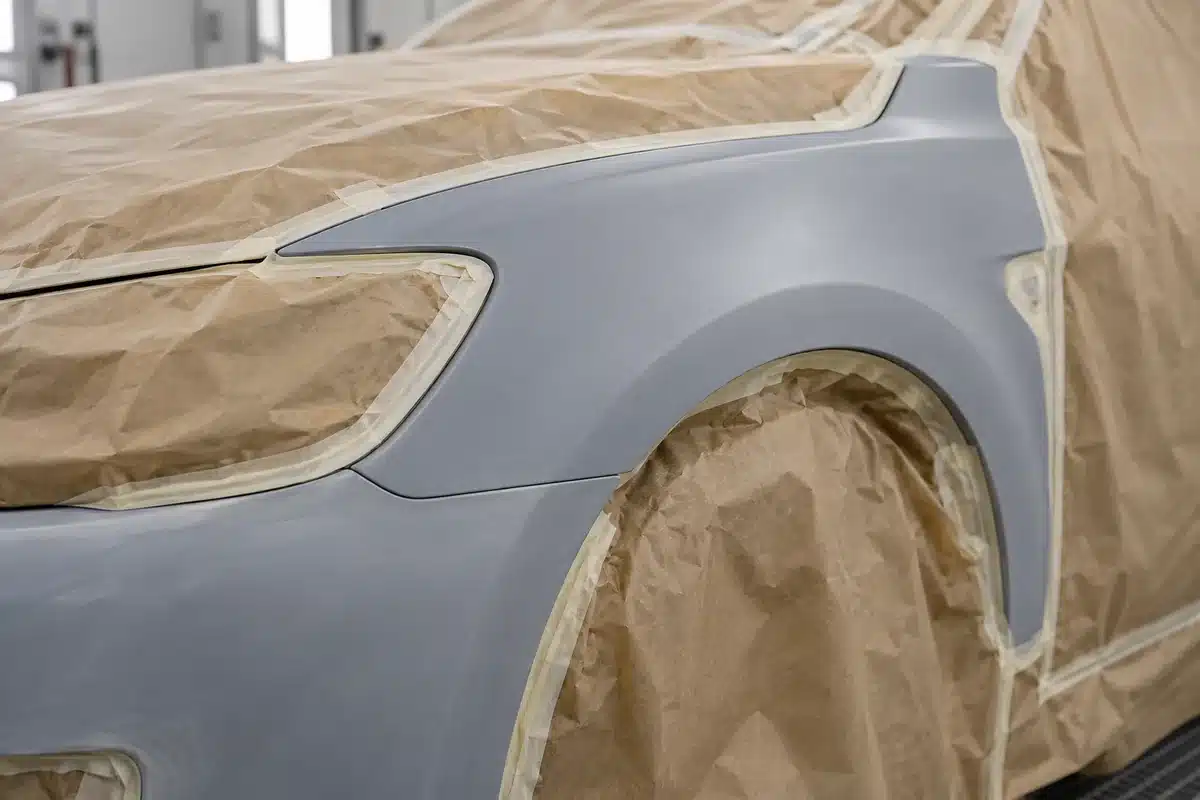
When paint is damaged or PDR cannot achieve an appropriate result, repairing and repainting the panel may be needed. The quote can include panel shaping, surface preparation and refinishing. Filler may form part of the approved process, but a painted repair should not be described simply as covering the dent with filler.
Ask which panel will be repaired and painted, and whether nearby panels need colour blending. Replacing a panel is a separate decision based on its damage and repair limits. A small cosmetic ding does not automatically justify replacement, while badly damaged metal should not be promised a paintless repair.
Why similar dents receive different repair quotes
Two dents can look alike in a phone photo yet need different amounts of work. The visible diameter is only one part of an estimate.
- Depth and contour. A broad shallow depression differs from a tight crease. A dent crossing a body line requires the original contour to be assessed carefully.
- Panel position. A door edge, wheel arch or reinforced area may restrict access. Removing and refitting trim takes time even when the outer mark is small.
- Paint condition. Chipped clear coat, cracks, scratches and previous refinishing can turn a dent-only repair into a combined panel and paint job.
- Panel material. Steel and aluminium require an assessment appropriate to the material and model. Do not assume the same technique or price applies to both.
- Number and spread of dents. Several dents on one panel may share access and setup work. Dents across different panels may require repeated preparation.
Manufacturer repair limits matter more than a general label such as “luxury car”. Give the model and year so the workshop can identify the panel construction and equipment. An expensive badge alone is not a useful explanation for every extra charge.
Safe access should not mean drilling holes
Some dents sit behind reinforcement or other equipment. A cheaper repair should not depend on drilling a new access hole or removing structural foam just to reach the back of the dent. I-CAR’s PDR access guidance rejects those shortcuts. Existing access points and permitted trim removal should determine whether the method is suitable.
PDR also needs attention to the back of the panel. Tools can disturb its protective coating even when the outer paint needs no refinishing. Restoring corrosion protection behind the panel should therefore be included in the repair.
These details help explain a labour charge. They also distinguish a complete repair from a quote that covers only making the outer surface look better.
Allow for paint matching and bumper equipment
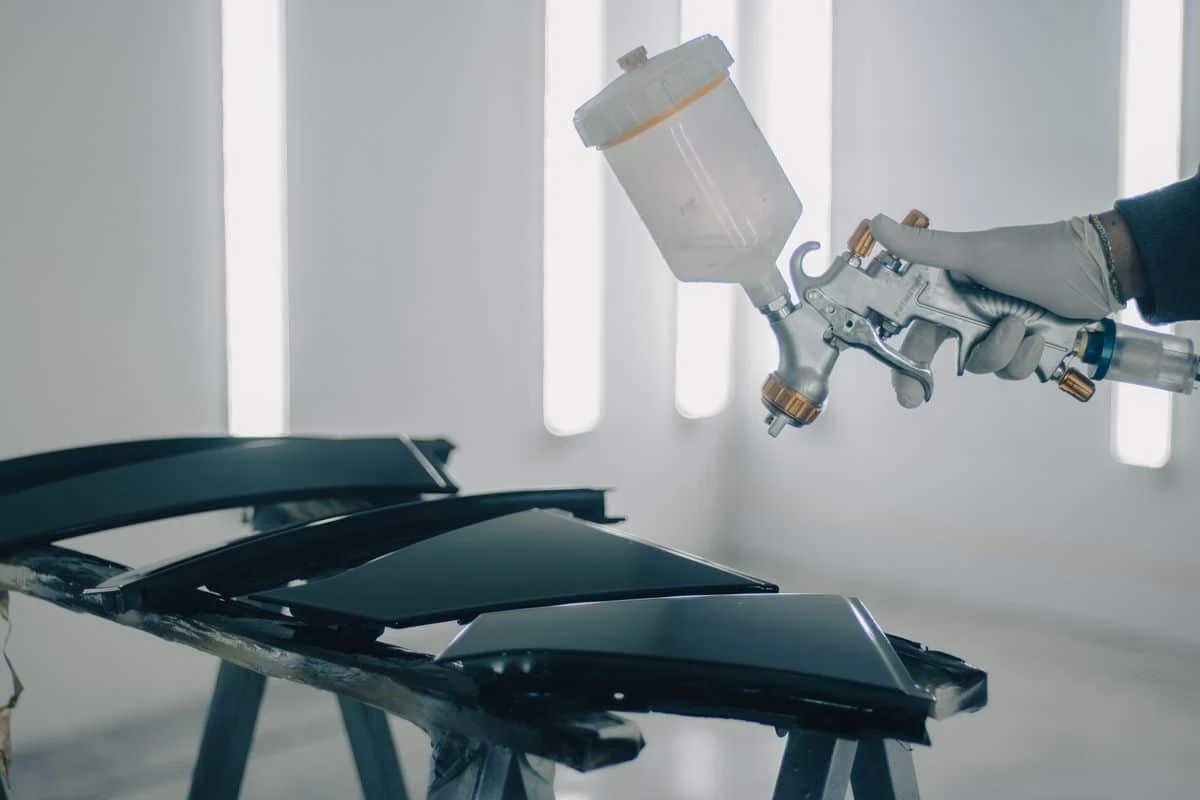
If repainting is needed, the cost includes more than spraying colour over the damaged area. Preparation, masking, the paint system, curing and refitting belong in the scope.
Colour matching can involve an adjacent panel
A paint code identifies the colour specification, but the workshop still needs to assess the finish on the car. Metallic, pearl and other specialist finishes can require additional work. Ask whether the estimate includes a colour check and any blending needed for an acceptable match.
Blending means extending colour into an adjacent area or panel to soften a visible difference. It should be explained in the quote rather than appearing as an unexpected extra at collection. A quote to repair one fender and blend the neighbouring door is not equivalent to a fender-only repaint.
Paint protection film and wraps add another question. Ask whether the affected covering needs removal and whether replacement is included. Do not assume a panel repair quote includes new film, a new wrap section or a coating application.
Plastic bumpers need a separate repair assessment
A plastic bumper cover is different from a metal door skin. Its material, cracks, mounting points and paint need assessment, along with any parking sensors or radar behind it.
Repair restrictions vary by vehicle. On Genesis vehicles with corner radar, plastic bumper repairs are not recommended because changes to the shape or surface may affect radar performance. The repair instructions also cover refinishing around radar and ultrasonic sensors. The workshop needs the instructions for your model before choosing repair or replacement.
If equipment is affected, ask whether the quote includes removal, refitting, checks and any calibration required by the vehicle’s repair procedure. A visible cosmetic repair and a complete repair of the affected equipment are different scopes.
Prepare photos that make estimates more useful
Good photos can help a workshop identify the likely method and request the right assessment. They cannot show every access restriction, weak paint layer or hidden damaged mounting point.
- Take a wider photo showing the whole panel and the dent’s position.
- Add close views from more than one angle with reflections visible.
- Show any scratch, chipped paint, sharp crease or damaged panel edge.
- Include the make, model, year and the number of affected areas.
- Mention previous paintwork, film, wraps or an earlier repair.
A short video moving across the reflection can be useful when a dent disappears in a still photo. Avoid filters or editing that hides the contour. Wash away surface dirt if practical, without polishing over or concealing the damage.
Ask whether the response is a preliminary estimate or a price confirmed after inspection. Also ask if further assessment, trim removal or diagnosis carries a charge. The workshop should agree any additional work before proceeding.
Compare written quotes for the same repair
A lower quote may cover fewer tasks rather than better value. Before choosing, compare the repair method and each included item. Keep photos and the written scope so both sides can refer to the same damage.
| Quote item | What to confirm |
|---|---|
| Method and area | PDR, panel repair and repainting, or replacement, with each affected area identified |
| Access and refitting | Included trim removal, clips, liner work and refitting |
| Finish | Preparation, paint materials and any adjacent-panel blending |
| Protection and equipment | Corrosion protection, sensor work and required checks or calibration |
| Total and terms | VAT, exclusions, collection timing and applicable workmanship terms |
For example, one quote may cover PDR for a door ding while another includes repairing a scratch and repainting the door. The figures cannot be compared as though they buy the same result. Ask each workshop to price the agreed damage and explain the expected finish.
If several dents need attention, ask for a combined quote. Shared access can affect the total, but do not multiply a single-dent starting price across a hail-damaged roof and expect an accurate budget. Widespread hail damage requires a panel-by-panel assessment.
Check insurance terms before approving accident repairs
If you intend to claim, contact your insurer before authorising repairs. Confirm the required report, claim approval process, approved workshop arrangements and any excess you must pay. An excess is the part of a covered claim payable by you under the policy.
Compare the confirmed repair total with your own policy terms. There is no single excess figure or universal “always claim” rule for a dent. Damage from separate incidents can also be treated differently from one incident, so explain how the marks occurred.
Ask the insurer how a claim may affect renewal terms or a no-claims benefit. Do not rely on a workshop estimate as confirmation of insurance cover or payment.
Decide which dents need attention first
A shallow cosmetic dent with intact paint does not automatically spread, rust or cause structural damage. If the panel fits and functions normally, the repair decision may mainly concern appearance, budget and your plans for the car.
Broken paint or exposed metal deserves timely attention because the protective finish is damaged. A panel that is loose, a door that will not latch or damage after a significant impact needs a different assessment. Tell the workshop about those symptoms before driving in.
On a car you plan to sell, compare the repair cost with the overall condition and likely benefit. A neat repair can improve presentation, but no method guarantees a higher sale price or removes the vehicle’s accident history. Keep repair records and describe the work accurately.
Avoid household glue, excessive heat or improvised pulling while comparing estimates. An unsuccessful attempt can damage the finish or change the panel shape, leaving the next technician with a different job to assess.
Check the finish before collecting your car
A straightforward small-dent PDR repair may take around one to two hours once work starts. Several dents, difficult access and repair with refinishing take longer. Confirm when work will begin and when the car is expected to be ready rather than treating a short repair time as a guaranteed collection slot.
- Look at the repaired contour from different angles under suitable light.
- For painted repairs, inspect colour, surface finish and nearby areas.
- Check panel fit and that removed trim has been refitted properly.
- Ask about relevant equipment checks and any required calibration.
- Collect the invoice, agreed scope and applicable workmanship terms.
If the car has fresh paint or a replaced covering, ask for care instructions before washing, polishing or applying another product. Follow the instructions for the actual materials used. A universal waiting period may not suit every repair.
Answers to common dent repair cost questions
How much does a small door ding cost?
My Car Repair Dubai’s published estimate is AED 200–500 including VAT per suitable small PDR dent. It assumes sound existing paint and straightforward access. Shape, paint condition and access determine the confirmed quote.
Is paintless repair always cheaper than repainting?
Suitable PDR often avoids paint preparation and refinishing costs. It is not appropriate for every dent. Compare the method that can achieve the agreed result rather than choosing PDR solely because its starting price is lower.
Does the estimate include paint and VAT?
The conventional repair range includes normal preparation and refinishing for a typical repairable door or fender. PDR does not include repainting. The price table includes 5% VAT, with specialist finishes, extensive access and other exclusions explained above.
Can a scratched dent still have PDR?
The dent and scratch need separate assessment. PDR may address suitable panel deformation, but it cannot replace missing paint. Ask whether the proposed work includes both shape correction and finish repair.
Why can a small bumper dent cost more?
A bumper cover may have damaged mounts, cracked paint or nearby sensors and radar. Its material and the manufacturer’s repair restrictions matter. A quote involving equipment checks or replacement is different from a simple cosmetic repair.
Can I get a final price from photos?
Photos help establish the likely repair and budget. Inspection may still be needed to confirm access, paint condition and hidden damage. Ask what could change the estimate and require approval before extra work begins.
Will repairing a dent increase resale value?
A sound repair can improve appearance, but a sale-price increase is not guaranteed. The car’s history, condition, specification and market demand also matter. Keep an invoice and an accurate record of what was repaired.
Get a clear estimate for your dent
Share the model, year and a few clear photos with our Al Quoz team. We can discuss the likely repair and arrange an assessment to confirm the method, included work and total before you approve it.