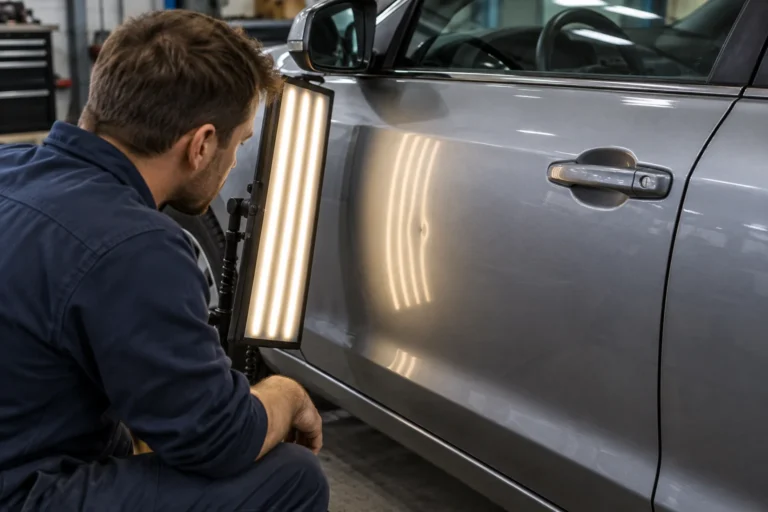
To change your car’s color in Dubai, arrange approval before the work begins, choose a finish that suits the condition of the car, and complete the inspection and registration update afterwards. Painting and wrapping solve different problems. The right choice depends on the existing paint, the areas you want covered and whether you intend to return to the original color.
A good starting point is a written scope and a physical color sample. Agree what happens inside the door openings, what repairs are needed first, and who handles each part of the paperwork. A low headline price tells you little until those details are clear.
Arrange approval before changing the car’s color
The UAE’s traffic regulation law requires licensing authority approval for changes to a vehicle’s color. Check the Dubai approval requirements before paying for installation or letting the workshop start. A wrap that changes the visible color should not be treated as exempt simply because it can later be removed.
Contact Dubai Police to confirm the current color-change service, the proposed finish and the documents required for your vehicle. Have your identification and vehicle details available. Follow the current application’s instructions for photographs and any additional evidence. Check the approval document for its conditions and completion deadline rather than relying on an old fee or validity period quoted online.
- Confirm the intended color description before ordering paint or film.
- Ask about two-tone finishes, partial changes or unusual effects if those form part of the design.
- Check owner consent first for a leased, company-owned or financed vehicle.
- If the car is registered outside Dubai, use the process confirmed by its registration authority.
Company logos and advertising raise a separate question from a private color change. Ask the relevant authority whether the proposed graphics need additional permission. Keep the design and approval together so the installer works to the version you agreed.
Choose between paint, vinyl and colored PPF
Paint creates a new coating on the prepared body panels. Vinyl covers the existing finish with an adhesive film. Colored paint protection film, usually called colored PPF, combines a visible color with the particular protective properties of that product. These are different material systems, even when the finished cars look similar in photographs.
| Method | When it may suit | What to settle before booking |
|---|---|---|
| Repaint | You want a lasting new finish or the body already needs paint repairs. | Preparation, repair work, paint system and coverage inside openings. |
| Color vinyl wrap | The existing finish is sound and you want a change with a later removal option. | Exact film, paint suitability, seams, edges and removal conditions. |
| Colored PPF | You want a color change and are comparing film protection specifications. | Product identity, stated protection, finish, installation scope and warranty. |
If there is peeling clear coat, rust or a poorly bonded previous repair, covering it does not resolve the underlying problem. An assessment should come before a film decision. For a lasting change, compare the repair and preparation scope of a full repaint with the cost of making the existing surface suitable for film.
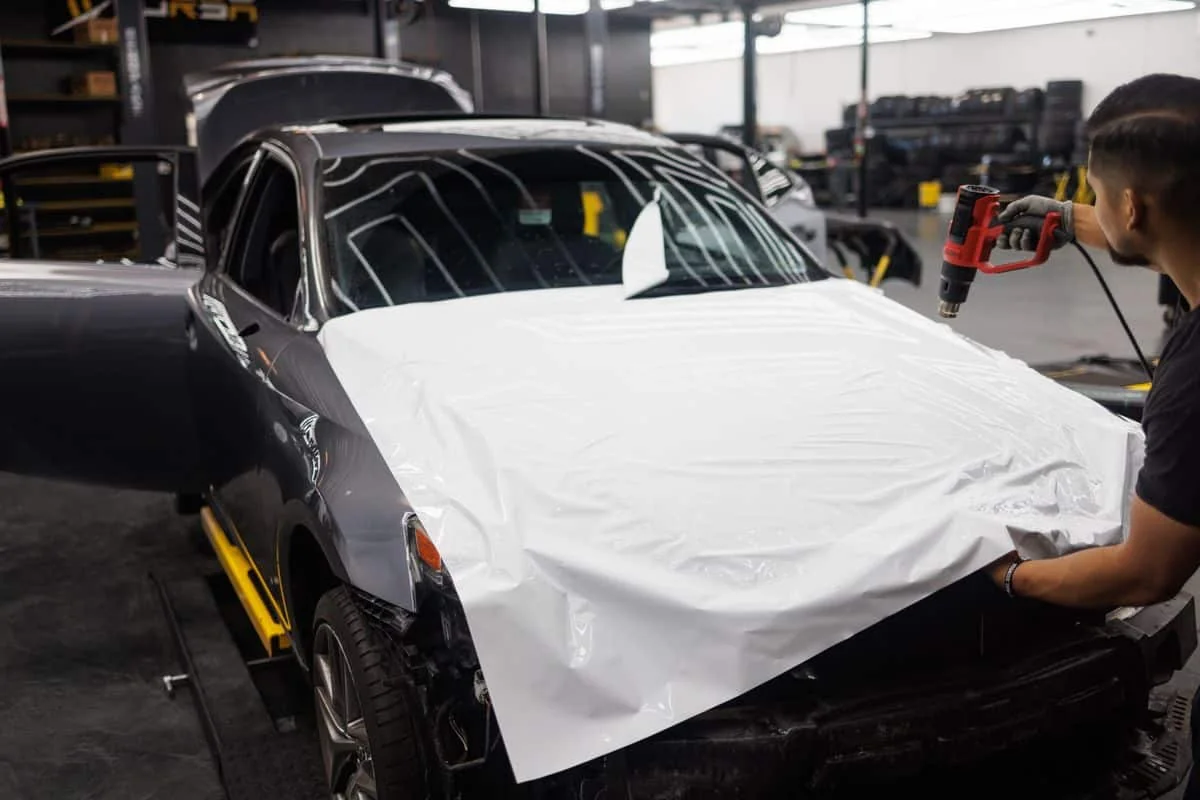
For a car with sound paint, color-change vinyl wrapping gives another route to the finish you want. Ask for the manufacturer and product series, not just a description such as premium wrap. Clear PPF and ceramic coating serve different purposes and do not, by themselves, create an opaque new body color.
Decide which areas need the new finish
An exterior color change may cover the visible outer panels while leaving the original color in the door jambs, under the bonnet and around the boot opening. That can be an acceptable choice, but it should be deliberate. If you expect every visible opening to match, put each area in the quotation.
Ask how handles, mirrors, badges, seals and trim will be dealt with. Removal and refitting add work, and old clips or brittle trim may need replacement. Film seams and paint masking lines also need discussion. Inspect an example of the proposed edge treatment before you agree to it.
Use a real sample to choose the color. A phone screen changes how shades appear, and metallic or pearl finishes can look different as the viewing angle changes. Look at the sample in daylight and shade. For paint, ask whether a sprayed sample panel is available. For film, view the exact product and finish you intend to order.
- Gloss, satin and matte need different appearance and care expectations.
- A partial roof or mirror treatment needs a clear boundary and matching plan.
- A custom mixed paint color needs a recorded formula for later repairs.
- A film color needs its product code recorded in the job documents.
Think about future panel repairs as well as the initial look. Ask how the workshop would handle a damaged bumper or door later, and whether material availability could affect the repair. A striking finish is easier to live with when you understand its repair options.
Check the surface before approving the work
Start with a walk-around inspection and photographs of the car as it arrives. Record existing dents, stone chips, scratches, corrosion, damaged trim and areas that have previously been repainted. Tell the workshop about known accident repairs and recent paintwork. A color change can otherwise conceal the starting condition without explaining it.
For paint, ask which defects require body repair, which areas will be sanded or stripped, and what primer and coating system the workshop proposes. Cleaning removes contamination. It does not remove a dent or repair rust. The quote should distinguish those jobs instead of folding them into an unclear promise of preparation.
For film, ask how suitability will be checked and what happens if paint lifts during removal or installation. A visually smooth panel can still have a weak previous repair. Recently painted panels also need an appropriate curing assessment before adhesive film is applied. Use the paint and film suppliers’ requirements rather than a universal waiting period.
Ask the installer to explain any areas they cannot cover reliably. Deep recesses, sharp edges and damaged surfaces may affect the installation approach. If repairs change the price or completion date, agree to that revision before the work proceeds.
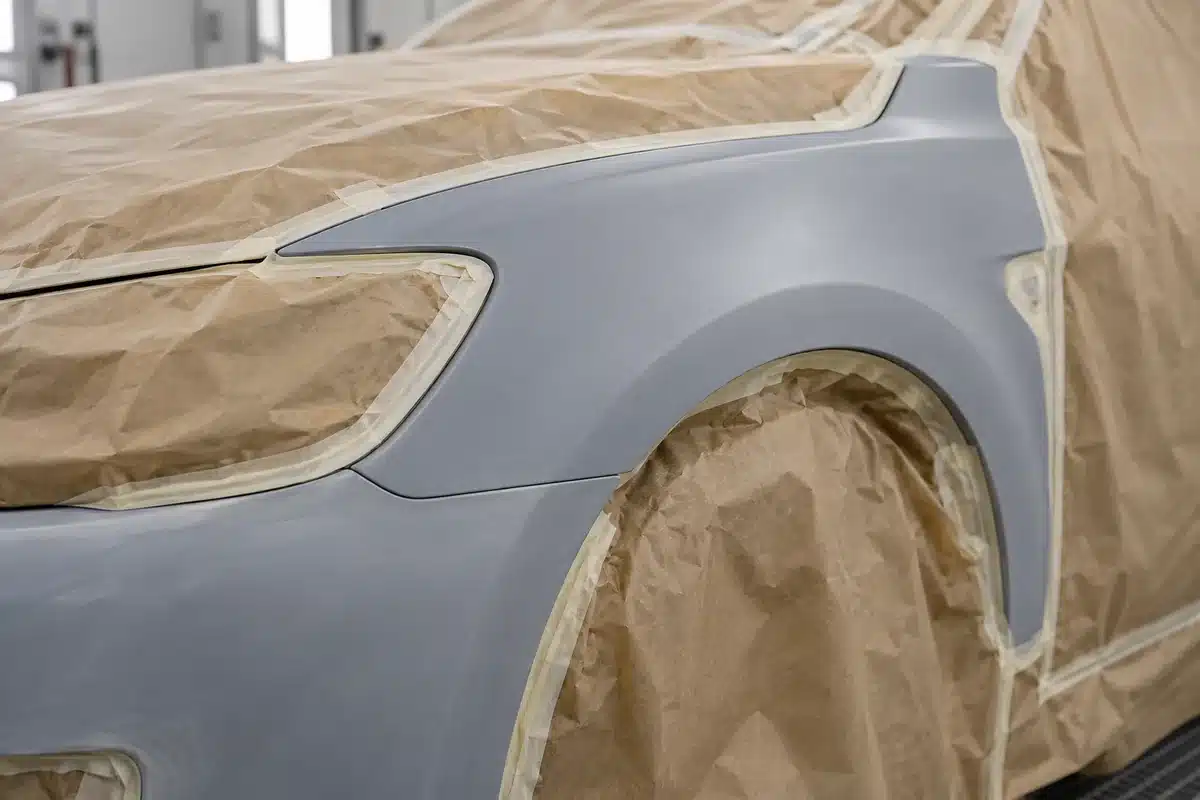
Compare the full scope of each quotation
A model name alone cannot establish the cost of a color change. Two cars of the same model may need very different preparation, and an exterior-only job differs from one that includes door jambs and openings. Compare itemised quotations for the same coverage and finish.
Keep the workshop bill separate from administrative charges. Approval, inspection, ownership amendment and any optional delivery can be separate payments. Confirm who pays each one and whether the workshop is charging an additional handling fee. The current ownership amendment fee is explained below, but it is only one part of the total.
| Quote item | What to ask |
|---|---|
| Coverage | Which panels, jambs, openings and trim pieces are included? |
| Existing damage | Are dent repairs, rust treatment and old-film removal included? |
| Materials | What paint system or film manufacturer, series and finish will be used? |
| Fitting work | What will be removed, refitted or replaced, and how are extra parts approved? |
| Tax and paperwork | Is VAT included, and which official or handling charges are separate? |
| Aftercare and warranty | What is covered, for how long, and who handles a defect or later removal? |
Obtain a written completion estimate after the car has been assessed. Separate workshop time from approval processing and inspection appointments. Material availability, repair discoveries and curing requirements can change the schedule. A deadline should account for those dependencies rather than promising the same turnaround for every car.
Material and workmanship warranties may come from different parties. Ask who is responsible for peeling, edge lifting, color change or application defects, and which exclusions apply. The warranty should identify the actual product and local terms. Do not assume a headline warranty from another country applies in Dubai.
Understand the work and check the handover
With paint, the agreed repairs and preparation come first, followed by the specified coating process and curing. The exact stages depend on the paint system and starting surface. With vinyl, the installer prepares the surface, fits the film around the agreed areas and completes the edges according to the material’s installation requirements.
Ask how lights, cameras, parking sensors, number plates and other functional parts will be protected during the work. A color treatment must not simply cover them. If components are removed, ask what refitting checks are included and whether any additional vehicle-specific checks are required.
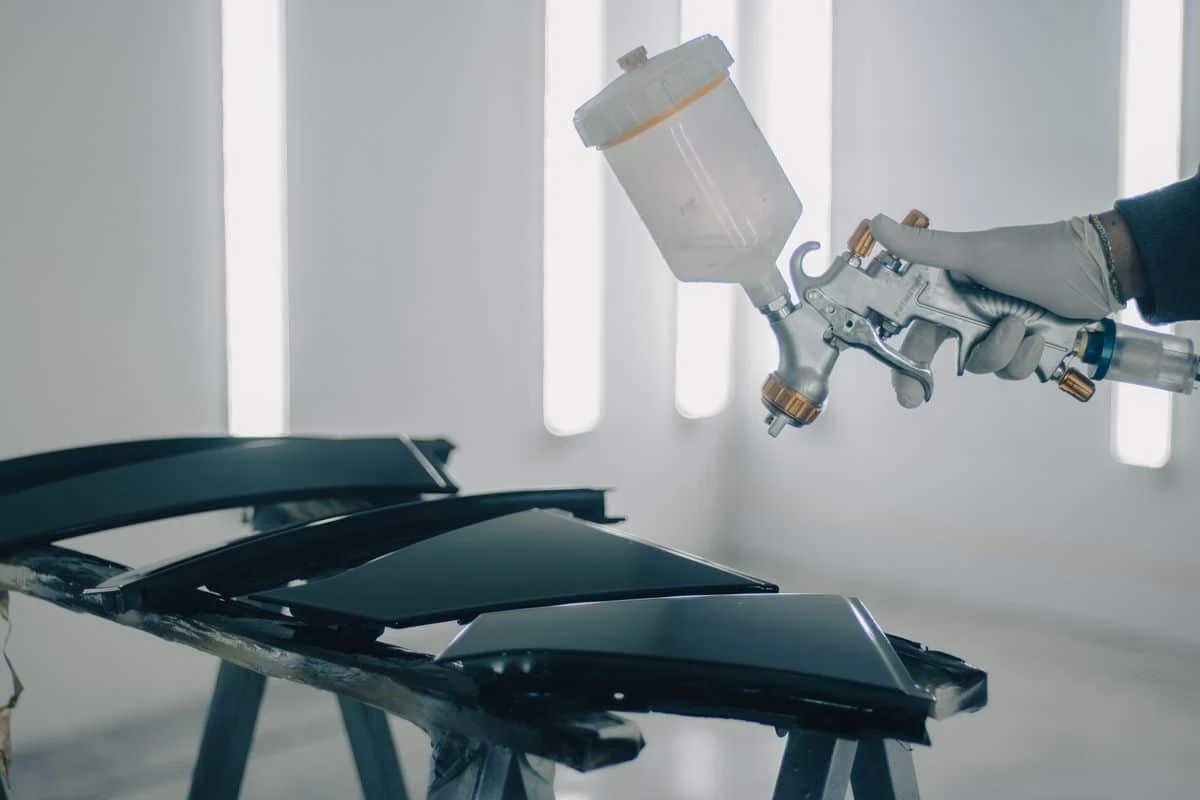
Inspect the finished car before accepting handover. Use good lighting and look across the panels from more than one angle. Compare the finish with the agreed sample, then open the doors and boot to check the coverage you paid for. Inspect trim alignment and confirm that handles, windows, lights and sensors still operate as expected.
- For paint, discuss visible runs, overspray, dust defects or unexpected shade differences.
- For film, check lifted edges, bubbles, exposed original color and the agreed seam locations.
- Record concerns with photographs and agree how they will be addressed.
- Collect the invoice, material details, warranty and written aftercare instructions.
Complete the inspection and ownership record update
Follow the authority’s conditions for using the car after modification. Article 26 of the traffic regulation law requires inspection and approval before a modified vehicle is used. Confirm how the car should reach its inspection appointment, including whether transport is needed.
RTA’s Amend Vehicle Ownership Data service requires a vehicle inspection before a color-change amendment. Its application process checks insurance, inspection and the relevant NOC. Emirates ID is listed as a requirement, ownership must be valid and traffic fines must be paid.
At the 5 October 2026 check, the listed amendment total was AED 170, comprising AED 50 for the ownership certificate, AED 100 for amendment and AED 20 for knowledge and innovation. This excludes the color-change work, approval and inspection charges, and optional delivery. Confirm the current amounts before paying.
The service is available through RTA and DubaiNow. After completion, check that the new color is recorded correctly on the vehicle licence and keep the updated certificate with the approval and invoice. Amendment retains the original certificate’s validity period, so it should not be confused with a registration renewal.
Care for the finish in Dubai conditions
Follow the instructions for the installed paint or film. Ask when the first wash is allowed and when any wax, polish or additional coating can be applied. Matte and satin finishes need their own product guidance. Do not use a treatment intended to increase gloss without checking whether it suits the finish you chose.
For 3M 2080 specifically, the manufacturer’s wrap maintenance guidance recommends hand washing, shaded or indoor storage where possible, and avoiding washing during the first 72 hours. It warns that brush washes can scratch film or lift its edges. Those instructions are product-specific, so check the equivalent document if another material is installed.
- Rinse dust away before gentle washing rather than rubbing it into the surface.
- Ask the installer which cleaners suit the material and how to handle bird droppings, fuel spills or stubborn stains.
- Avoid experimenting with solvents, abrasive pads or a heat gun on a new finish.
If you want a ceramic coating over film, check its compatibility and warranty effect first. The 3M 2080 document excludes aftermarket coatings from its stated warranty. A coating also does not repair weak paint underneath or make a wrapped car immune to damage.
Ask about the warranty for horizontal areas such as the bonnet and roof as well as doors and other upright panels. Exposure and product terms matter. Use the stated local coverage rather than assuming every panel has the same lifespan. Photograph lifting edges or other deterioration and arrange an assessment before attempting repairs yourself.
Keep insurance, ownership and resale records clear
Tell your insurer about the proposed change before work and ask what needs to be updated after registration. Confirm whether the new finish is covered, how a damaged panel would be repaired and whether film or custom paint requires separate declared cover. The answer depends on your policy. Color alone is not a basis for promising a premium increase or reduction.
Keep the permission, before-and-after photographs, invoice and material specifications for a future buyer. They explain why the car looks different from its original specification and what work was carried out. A repaint is not automatically evidence of an accident, but accurate records are more useful than an unsupported promise of higher resale value.
For a leased or financed vehicle, retain the owner’s or lender’s consent and understand any return-condition requirements. Budget for removal if you plan to return to the original finish. Ask the installer to inspect the paint and film before giving a removal quote.
Removal is not risk-free on every surface. 3M’s 2080 guidance recommends a professional and limits its factory-paint statement to use, care and removal within the specified conditions and warranty period. A previous repaint needs its own assessment. If removal changes the visible color again, confirm the approval and vehicle-record requirements before proceeding.
Questions to settle before changing your car’s color
Can I wrap the car before seeking approval?
Arrange the required approval before work. Removable film should not be assumed exempt when it changes the vehicle’s visible color. Confirm the proposed finish and scope with the authority first.
Does a roof wrap require the same paperwork?
Ask about the exact design and the car’s registered color. Partial changes and two-tone finishes need a decision on the actual proposed appearance. Do not rely on an unofficial percentage-of-body rule.
Is repainting the original color a color change?
Restoring the same color differs from selecting a new one. Confirm the procedure if the new shade or finish could be recorded differently. Other repair documentation may also apply depending on the work.
Is the permit fee the whole registration cost?
No. Keep approval, inspection and ownership amendment separate from the workshop charge. Check the current fee for each applicable service and any optional delivery or handling charge.
Can vinyl hide damaged paint or rust?
It can cover the appearance but does not repair the underlying defect. Have loose paint, corrosion and damaged panels assessed before agreeing to film installation.
Can I return to the original color later?
A wrap may allow a return to the underlying color, subject to the paint condition and removal requirements. Repainting requires further work. Confirm the paperwork for the changed appearance as well as the removal or repaint cost.
Discuss your car’s color change options
Share your model, current color, preferred finish and photos of the paint condition. The team can discuss the workshop scope and an assessment before you commit to the work.